
Finding the best time to visit Nara
The best time to visit Nara follows your interests more closely than a single month on the calendar. Spring and autumn are useful editorial choices for garden visits, blossom and foliage, based on the city’s seasonal guidance and climate normals. A visit built around a particular flower needs flexibility, while an interest in gardens and city walks can be planned around several different seasonal details.
Keep Nara city separate from the wider prefecture when reading seasonal advice. A foliage date for a mountain destination elsewhere is a poor basis for booking a city garden visit. Start with the places you actually want to see, then compare their seasonal features and access calendars. The Nara sightseeing overview helps you make that shortlist before choosing your dates.
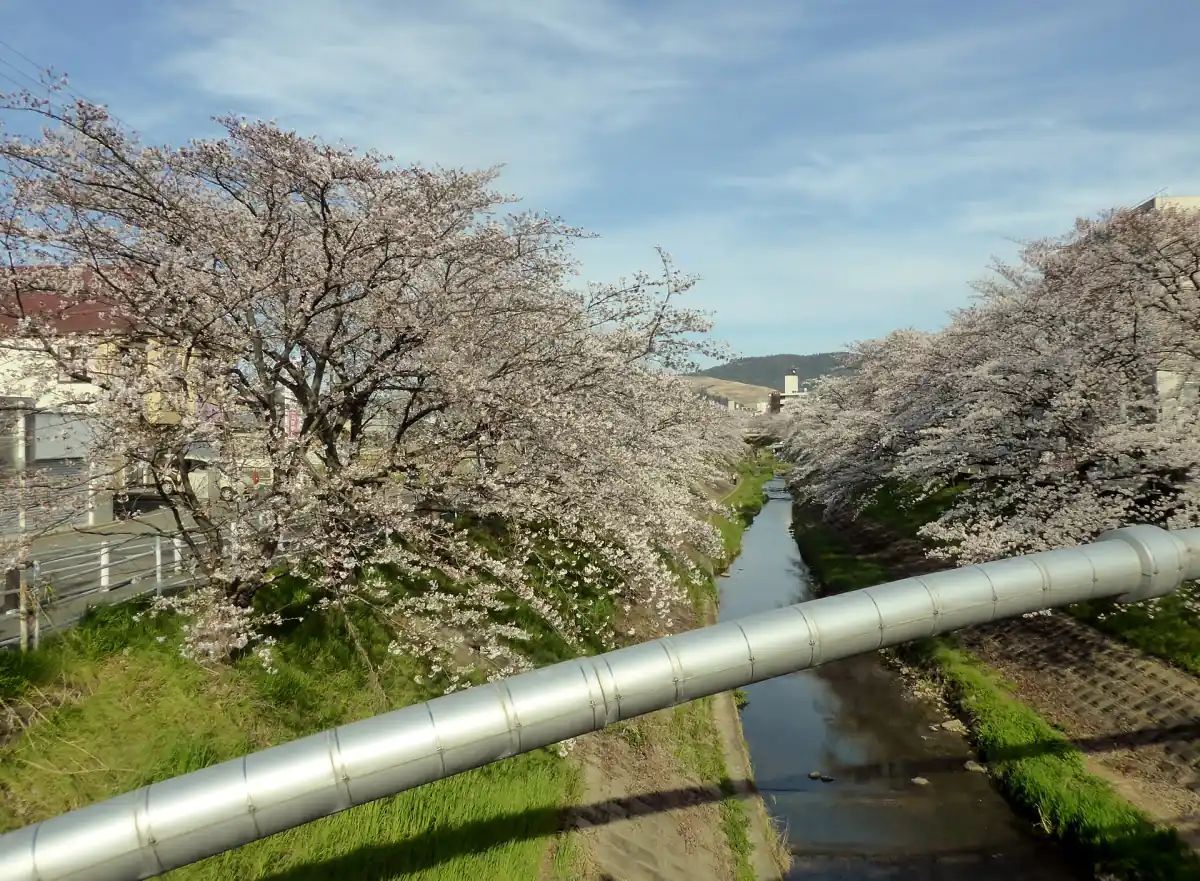
Spring: cherry blossom and garden visits
The park administration gives late March to early May as the cherry blossom range depending on species. That range describes different trees, rather than a continuous peak for every part of the city. Annual shifts can be substantial. If blossom matters most, build your visit around the possibility of changing which garden or walk gets your attention instead of expecting every tree to flower together.
Isuien’s seasonal calendar places weeping cherries in late March and Yoshino cherries in early April. These are typical garden phases. Read the Isuien and Yoshikien guide for opening hours and maintenance arrangements before giving a garden a fixed position in your itinerary. Garden design can also be the focus of the visit when blossom is earlier or later than you hoped.
A seasonal trip to Mount Wakakusa
Check seasonal mountain access before choosing the return bus.
Hand-picked tours, booked through Viator. Prices are indicative starting prices in US dollars (as of October 2026). Tap a tour for live availability and the current price in your currency.
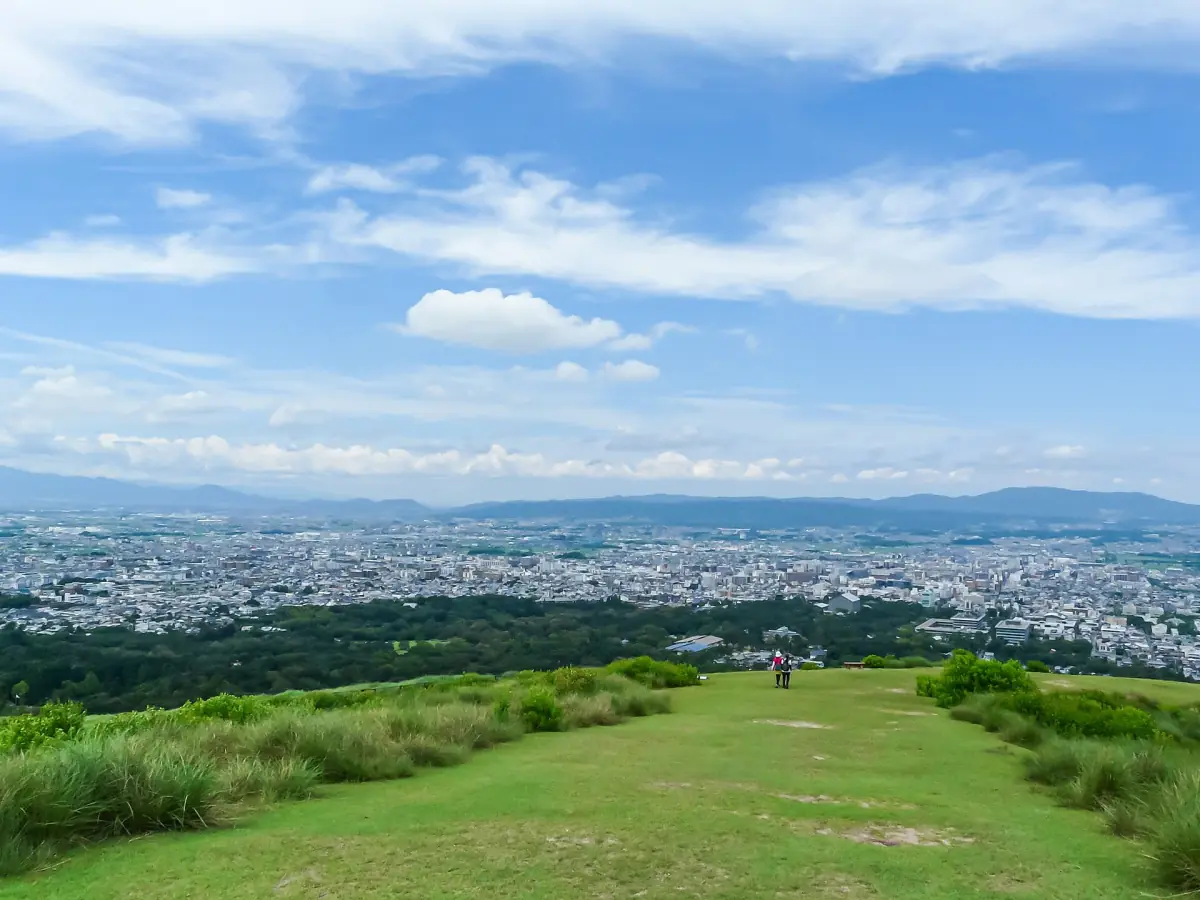
A seasonal visit to Mount Wakakusa
Consider the hilltop bus for a mountain-focused addition to your city visit, with return transport from a Nara station and a walking map.
Autumn: maples and the city landscape
For Iroha maples in Nara Park, the administration names late November to early December as the usual colour period, with yearly variation. Isuien’s own garden calendar places maple colour in November. Treat the city and individual garden guidance as helpful context for choosing a season, then allow the actual trees on the day to shape the walk.
Choose an autumn plan that still works if your preferred colour is not at its peak. You might give more attention to the arrangement of a garden, the landscape around a temple or a shorter outdoor walk. Avoid making every stop depend on the same seasonal photograph. A flexible route gives you more choices when light, rain or the condition of the leaves changes.
Summer, winter and the climate behind the choice
The Nara station climate normals for 1991 to 2020 place the highest average daily maximum in August and the greatest average monthly rainfall in June. These patterns favour a summer plan with manageable outdoor sections and pauses rather than a continuous day of walking. Winter requires a different clothing plan, especially when an evening event is the reason for coming.
Use the complete Nara weather table to compare monthly temperatures and rainfall. It describes the station’s long-term climate, while a forecast closer to departure helps you decide what to carry. For Mount Wakakusa, also consider its pedestrian season and gate hours. The hilltop bus includes a return fare and walking map from JR Nara or Kintetsu-Nara as a seasonal visit option; choose from the dates offered for your trip.
Festivals with a clear date
The 2026 Tokae ran from 5 to 14 August and has finished. Those dates describe the completed edition. The recurring Chugen Mantoro calendar at Kasuga Taisha lists 14 and 15 August, but an annual calendar should be used as a seasonal reference rather than a promise of the same arrangements for a future edition. Plan an event visit around the published programme for your travel year.
The next published Yamayaki date is 23 January 2027, with fireworks at 18:15 and ignition at 18:30. This event notice ends on 23 January 2027. Weather or official directions can cause cancellation. Read the Mount Wakakusa guide for the distinction between the event and regular hill access. Keep your other city plans flexible so the trip has a clear purpose even if weather changes the event programme.
Questions about your visit
When can I expect cherry blossom?
The park guidance gives late March to early May depending on species. Individual flowering dates shift each year, so use that as a planning range.
When are Nara’s autumn maples usually colourful?
The park administration gives late November to early December for Iroha maples. Isuien’s garden calendar places maple colour in November; neither is a guarantee for a specific day.
Is the August 2026 Tokae still upcoming?
That edition ended on 14 August 2026. Choose a future event visit using the published programme for the relevant year.