
Choose a Nara walking tour by route and station
A Nara walking tour can centre on the Buddha Hall and park, combine shrine approaches with merchant streets, or begin at JR Nara with a bus connection to the park area. Choose the meeting point before buying your train ticket, then compare the places entered during the walk. This avoids using a general city-centre map as if it were a precise tour meeting instruction.
The three options here serve different plans. A three-hour small-group walk begins at Kintetsu-Nara and includes Todai-ji entry. A two-and-a-half-hour city walk combines the park, Kasuga Taisha and Naramachi, with Todai-ji admission paid separately. The three-hour JR Nara programme includes a bus ride to the park area and Great Buddha Hall admission. For the broader city choice, see Nara’s sights.
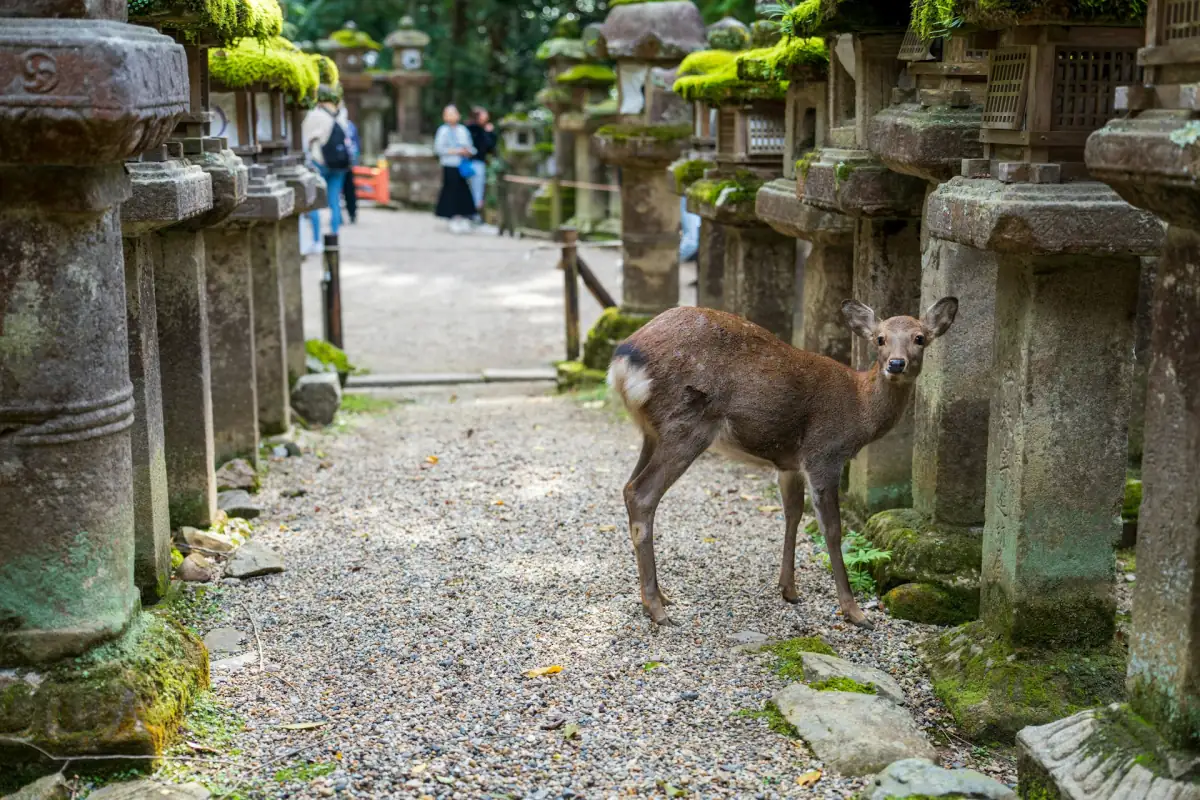
Nara walking tours
The small-group walk from Kintetsu includes Todai-ji admission. From JR Nara, another option includes a bus ride toward the park.
Hand-picked tours, booked through Viator and GetYourGuide. Prices are indicative starting prices in US dollars (as of October 2026). Tap a tour for live availability and the current price in your currency.
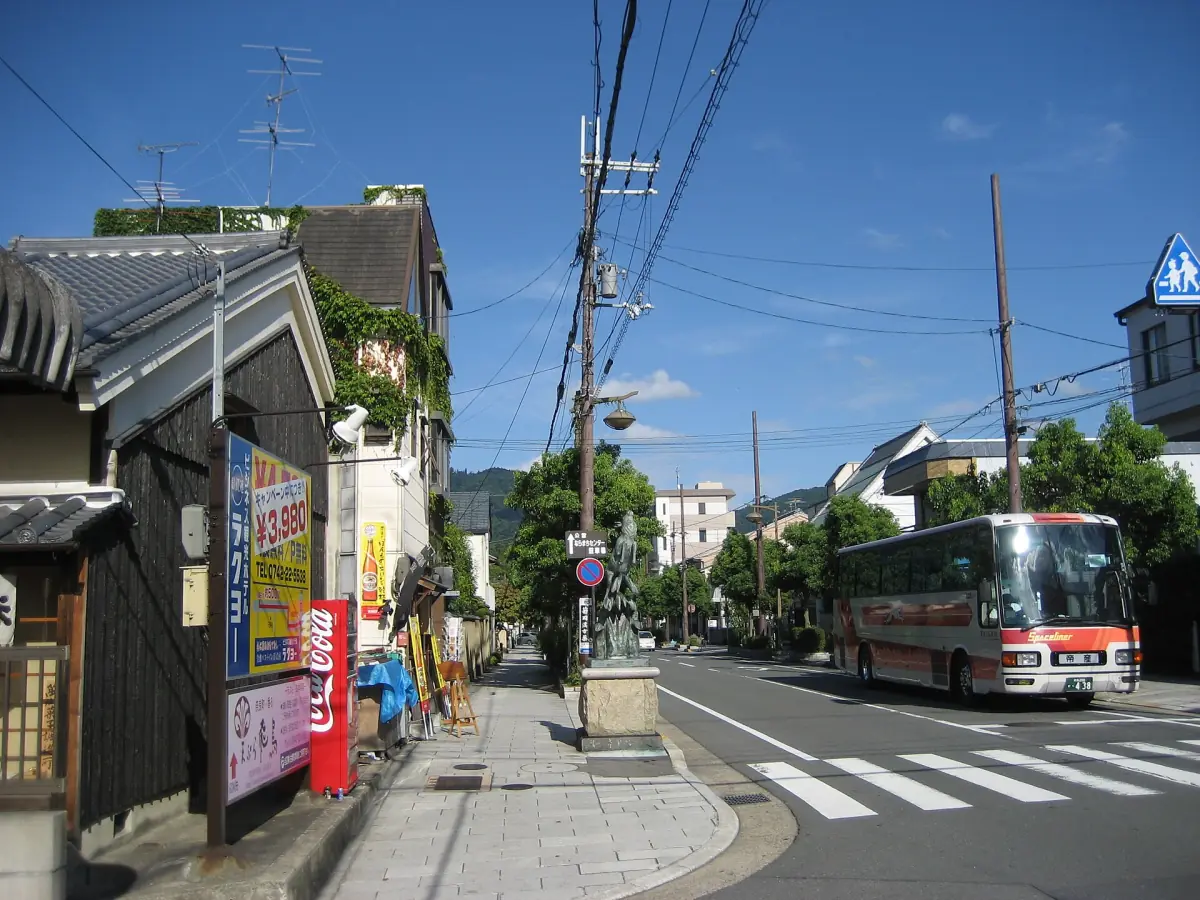
Walk to Kasuga Taisha and Naramachi
- Guided walking tour
- Visit to Nara Park
- Visit to Kasuga Taisha
Todai-ji admission is extra.
Check availability →
Guided walk from JR Nara
- One bus ride from JR Nara Station to Nara Park area
- Admission to Great Buddha Hall
Meet at JR Nara Station, not Kintetsu Nara.
Check availability →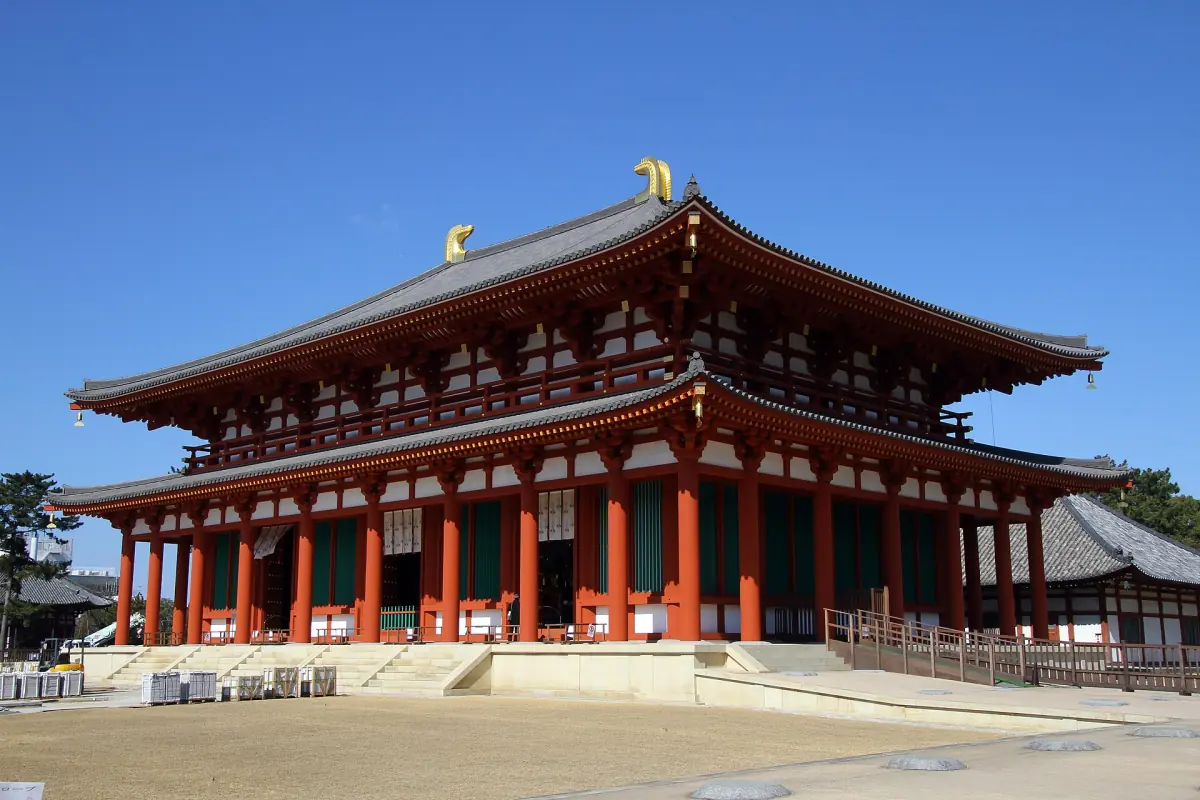
Small-group Nara Park walk
- Entrance fee (Todaiji Temple)
- Guided tour with expert insights
The meeting point is not JR Nara Station.
Check availability →Nara city walks and temple routes
Choose between a small-group walk with Todai-ji entry, a broader park and Naramachi route, or a JR Nara start with an included bus ride.
Kintetsu-Nara meeting points
The small-group temple walk meets beside the Gyoki-bosatsu statue at Exit 2 of Kintetsu-Nara. Its included three-hour guided walk and temple admission suit visitors who want a defined cultural outing with the Buddha Hall as a focus. Keep the precise exit in your travel notes, since the station name alone leaves too much room for confusion.
The wider park and Naramachi walk starts outside the convenience store at Nishimikadocho 1, by Kintetsu-Nara. Its listed inclusions cover the guided walk and visits to Nara Park, Kasuga Taisha and Naramachi. Todai-ji entry is extra. Choose it for the mix of city settings, while keeping any paid interior visit separate in your budget.
JR Nara and the bus connection
The JR Nara programme meets in front of the station ticket gate and lasts three hours. One bus ride from JR Nara to the park area is included, followed by the sightseeing visit, with Great Buddha Hall admission included as well. This is a useful distinction for visitors arriving on JR: the local bus is part of the programme rather than an independently arranged arrival leg.
JR Nara and Kintetsu-Nara are different stations. The JR programme uses its stated meeting point and a punctual group departure. Allow time between the arrival of your train and the tour start so that a platform delay or station exit does not consume the meeting window. Our arrival guide explains the rail options from Kyoto and Osaka.
Routes through religious sites and Naramachi
A city walk becomes more meaningful when you notice the different settings. Kasuga Taisha is a shrine, while Kofuku-ji and Todai-ji are Buddhist temples. Respect worshippers, keep to the indicated routes and follow local photography signs. At a Buddhist temple, the prayer etiquette differs from the clapping associated with shrine worship.
Naramachi is a former merchant quarter with houses now used as shops, cafés and museums. It offers a street-level counterpart to temple grounds. The reconstructed Koshi-no-ie can help explain machiya proportions, though an independent house visit belongs in your own additional time unless your booked route includes it. Read the Naramachi guide if you want to extend the day there.
Included admission and independent additions
Compare the named admission rather than the length of the attraction list. A visit to the area around a temple and an included ticket to a hall are different parts of a programme. The small-group walk includes Todai-ji admission, the city and Naramachi walk excludes that fee, and the JR-start outing includes the Great Buddha Hall. This makes the admission line useful when comparing the formats.
For a separate shrine visit, Kasuga Taisha has general worship and separately arranged special areas. If you want an outing arranged around your own party, the private tour page compares those options. The small-group walk here is a small-group product, with no fixed private-party promise.
Nara Park and Todai-ji on a walking route
The park provides the setting for several walks. Deer remain wild animals: keep children close, secure paper and bags, and avoid chasing or touching them. Shika-senbei are the feeding exception; ordinary snacks and meal leftovers should stay away from the animals. Give the guide room to lead the group without surrounding a deer.
Nara Park visitor guideTodai-ji’s Buddha Hall is a key difference in the admission packages, rather than a reason to assume that every hall or museum is covered. Use the separate temple guide if you want to build a longer independent temple visit around the walk.
Todai-ji visitor guideFrequently asked questions
Which station should I use?
Use the exact meeting point of your chosen programme. The temple small-group and wider Naramachi walks start by Kintetsu-Nara; the bus-linked outing starts at JR Nara.
Is the JR Nara tour entirely on foot?
It includes one bus ride from JR Nara to the park area. The programme combines that connection with its sightseeing visit and Great Buddha Hall admission.
Can I add a garden afterwards?
Plan an independent garden visit around its own opening arrangements. The garden page explains Isuien and Yoshikien without treating them as included stops on these walks.