
Follow Nara history from the capital to the streets
Nara was Japan’s capital from 710 to 784. Its temples, shrines and excavated palace remains help explain the development of the state and culture in the eighth century. Visit with that distinction in mind: a surviving religious site, an archaeological landscape and a reconstructed building offer different ways of understanding the past. They are not evidence that an entire ancient city has remained unchanged.
The city is the capital of Nara Prefecture in Kansai, but the prefecture covers more than the city. Keep this page focused on urban heritage rather than treating Yoshino or Ikaruga as neighbourhoods. For a first visit, choose a religious site and a contrasting view of domestic architecture, then decide whether the palace deserves its own outing. The city sights guide helps connect those choices.
Explore Nara culture
Choose a private temple guide or sake tastings with a merchant-house visit. Another private walk includes local recommendations.
Hand-picked tours, booked through GetYourGuide and Viator. Prices are indicative starting prices in US dollars (as of October 2026). Tap a tour for live availability and the current price in your currency.
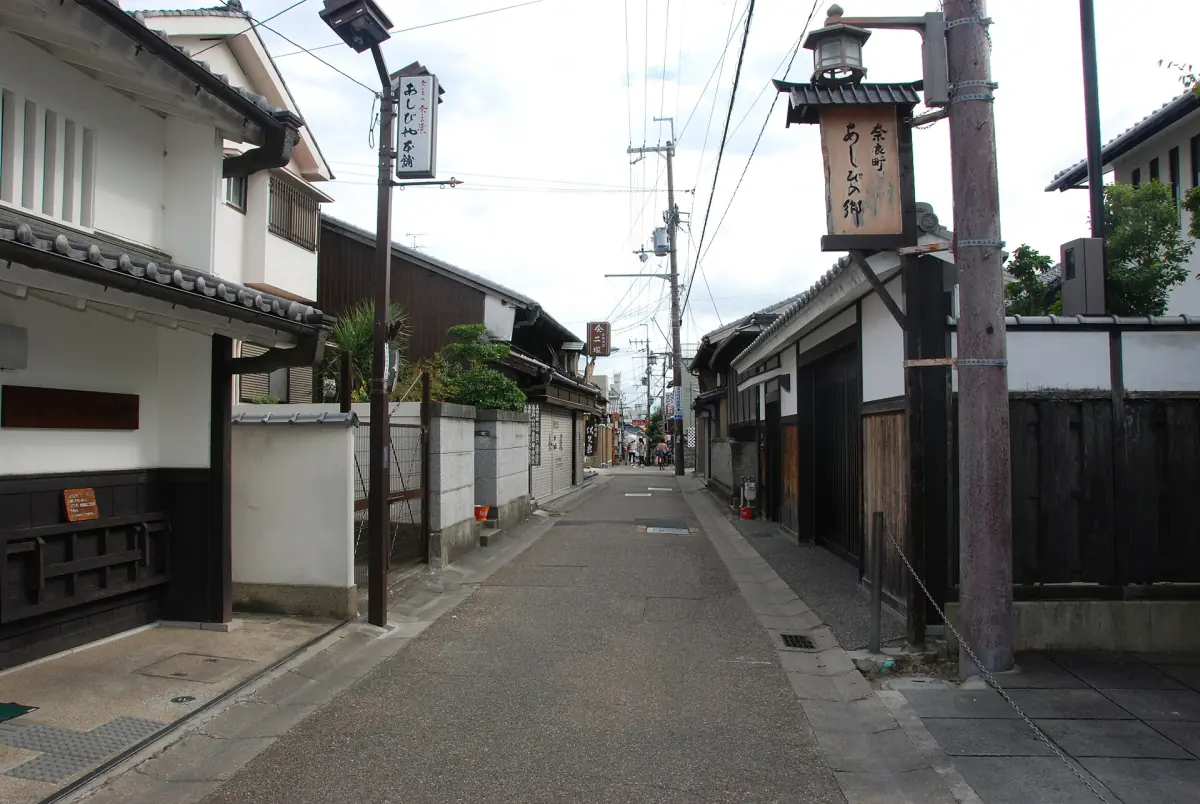
Sake and a merchant house in Naramachi
- English-speaking local Japanese guide
- All scheduled tasting fees
- Visit a traditional Naramachi merchant townhouse
The programme includes around ten tastings at two breweries and a sake shop.
Check availability →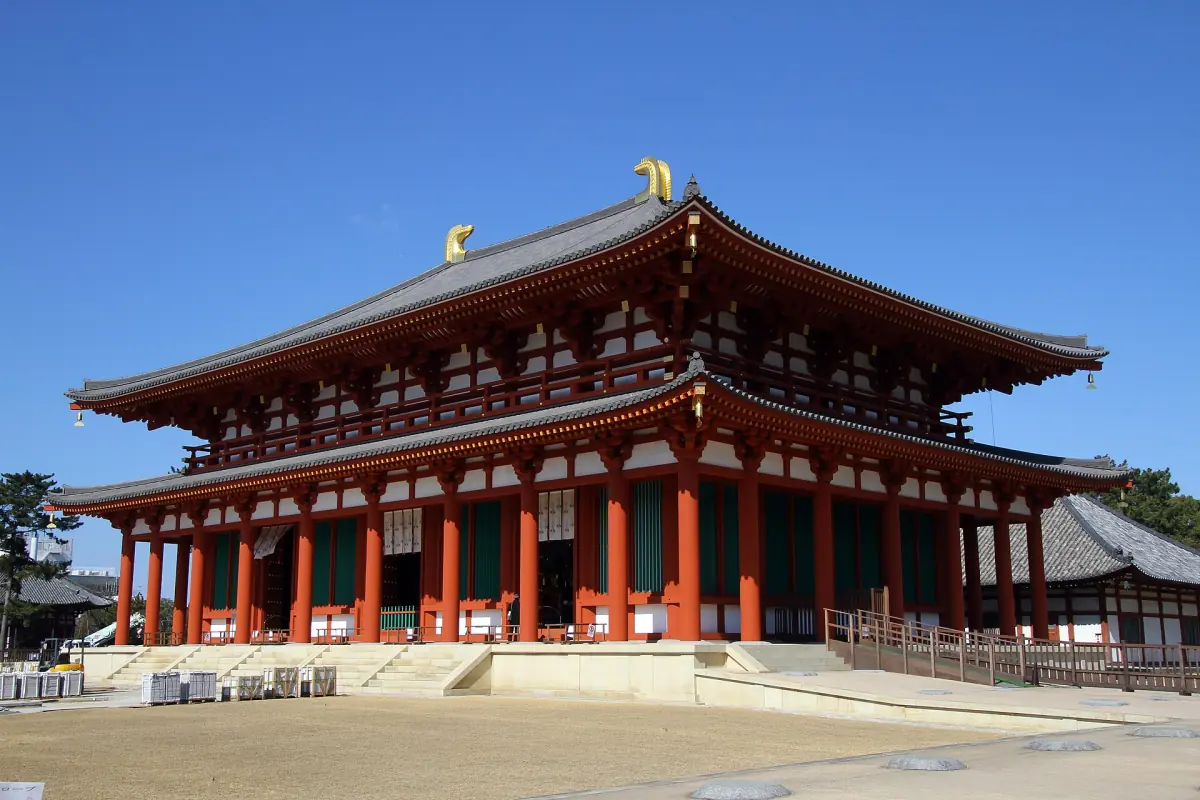
Private temple guide in Nara
- Nationally licensed English-speaking guide
- Admission fee to Todai-ji Temple
The Osaka option includes pickup on foot; train fares are extra.
Check availability →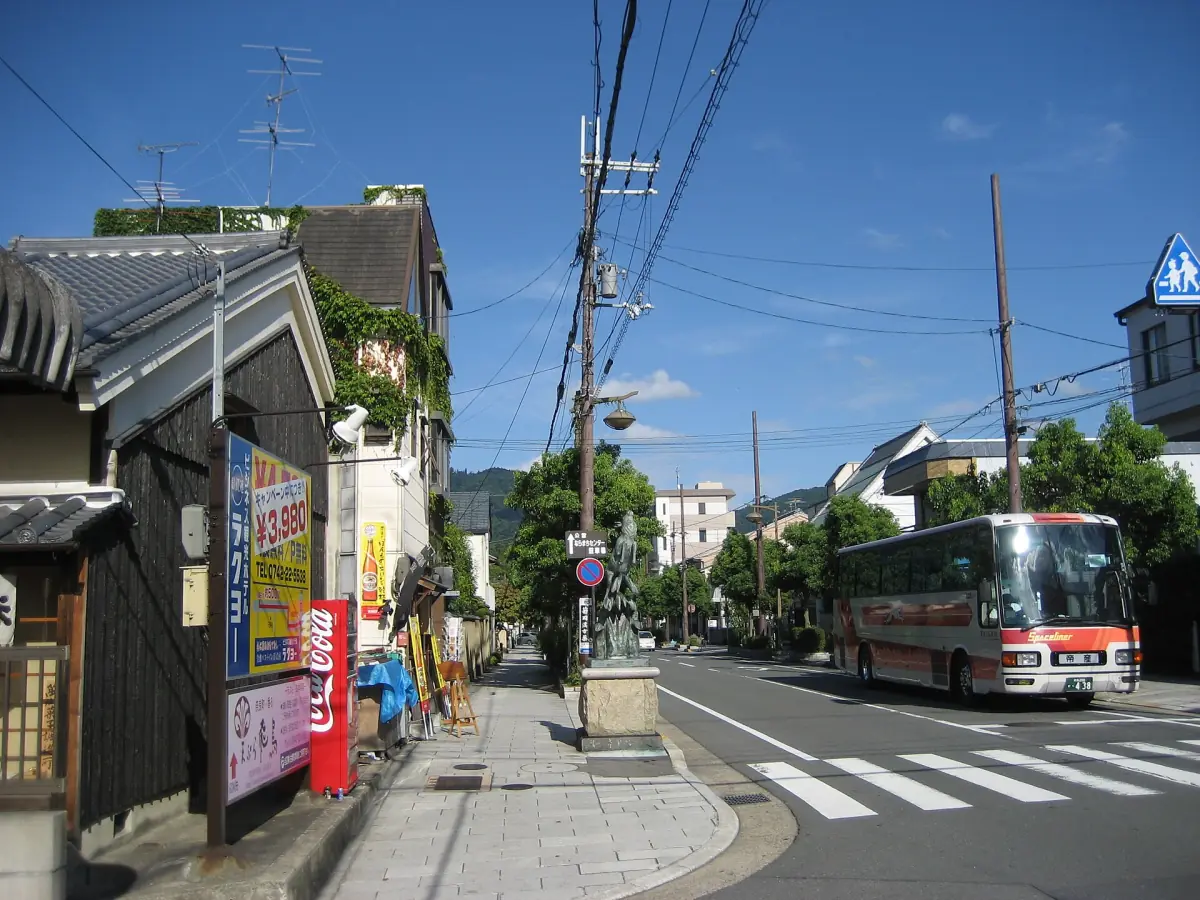
Private guided walk in Nara
- Private and personalized guided tour
- Local recommendations from your guide
A private guided walk for exploring Nara, including Kofuku-ji.
Check availability →Cultural walks through Nara
Compare a licensed guide, a personalised heritage walk and a Naramachi townhouse visit with sake tastings.
Eight parts of the UNESCO heritage
The Historic Monuments of Ancient Nara entered the World Heritage List in 1998. Its eight components are Todai-ji, Kofuku-ji, Kasuga Taisha, Gango-ji, Yakushi-ji, Toshodai-ji, the Heijo Palace site and the Kasugayama Primeval Forest. The shared designation brings religious buildings, palace archaeology and forest into one historical picture; it does not mean every component belongs on the same walking itinerary.
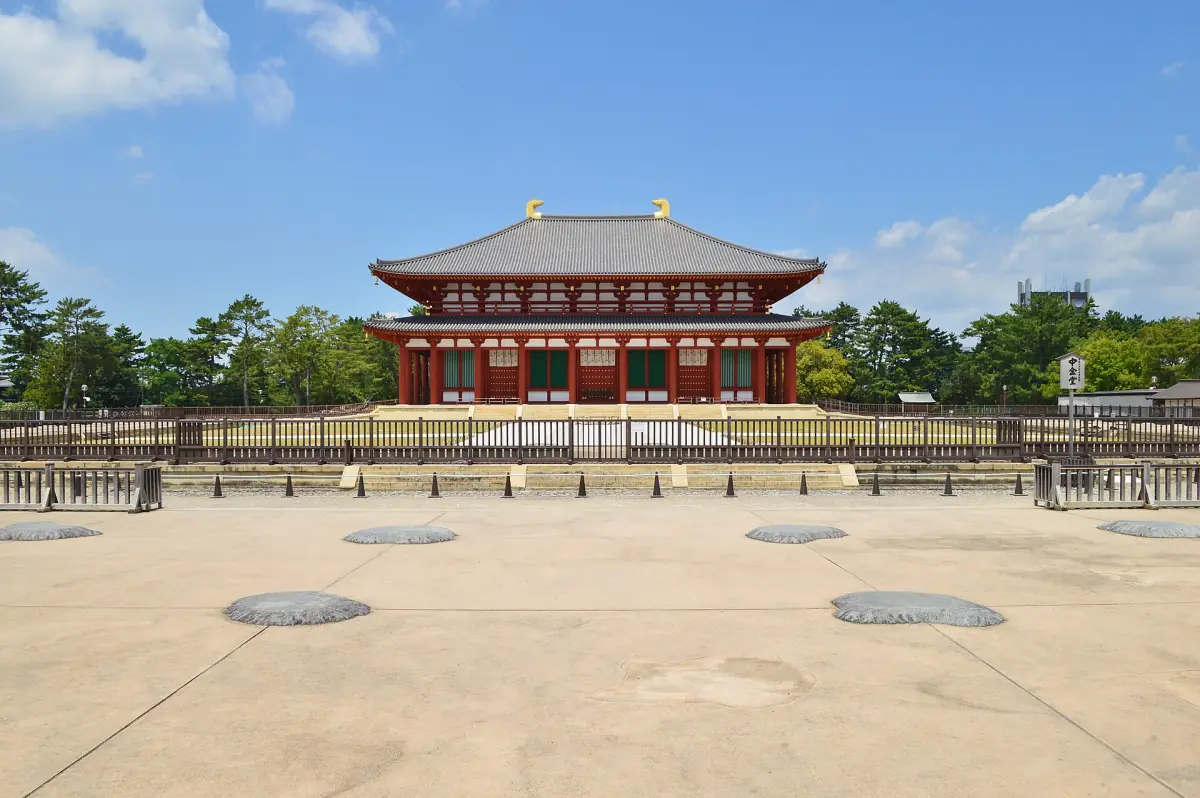
Build your route around the places you want to understand rather than trying to collect the whole list. Kofuku Ji introduces temple halls close to Kintetsu Nara, while Kasuga Taisha gives a separate shrine perspective. Allow actual visiting time at each place instead of counting only the walk between them.
Architecture: temple, shrine and merchant townhouse
At a shrine, torii and honden belong to a different architectural vocabulary from a Buddhist temple’s sanmon, hondo or kondo. These terms make useful observation prompts. Look at the entrance, follow the visitor route and notice where worship takes place. Keep thresholds clear and respect local photography restrictions. At Buddhist temples, do not copy the clapping associated with shrine prayer.
The domestic chapter belongs in Naramachi. Koshi-no-ie reconstructs a traditional machiya with a narrow frontage, deep plan, lattice facade, passage kitchen, courtyard and storehouse. It helps make the layout legible without turning a reconstruction into an original house from the capital period. Compare the arrangement of living space with the more formal religious buildings rather than assuming that an old appearance means the same date.
Heijo Palace: reconstructions and separate building hours
Treat the Heijo Palace site as a separate historical visit. Facilities within the site are free to enter, while parking, bicycle hire and other extras are separate. From the south exit of Kintetsu Yamato-Saidaiji, the walk via Tamate Gate to Suzaku Square takes about 20 minutes. Bus access to Suzakumon Hiroba-mae is another option; the transport guide helps distinguish the stations.
Daigokumon, the east tower and Izanaikan open from 09:00 to 17:00, with entry until 16:30. They close on the second Monday of February, April, July and November, moving to the following day when that Monday is a national day off, and from 29 December to 1 January. The First Daigokuden, Suzaku Gate and Toin Garden open from 09:00 to 16:30, with entry until 16:00; Monday closures move to the next working day when needed, and the year-end closure runs from 29 December to 3 January.
Palace buildings include reconstructions. Read them alongside the excavated site rather than describing the complex as wholly preserved ancient architecture. Smoking, open flames and drones are prohibited here. These are palace-site rules, not a statement about every location in Nara.
Choose a cultural walk by its actual focus
A licensed English-speaking guide option includes Todai-ji admission; its Osaka meeting option has a walking pickup, with train fares extra. A personalised private heritage walk includes guiding and local recommendations. A different Naramachi walk combines a merchant townhouse visit with around ten sake tastings at two breweries and a sake shop, with scheduled tasting fees included. These offer different cultural emphases; plan Heijo independently of these selections.
Nara Park supplies landscape context and Todai-ji a brief religious reference within a city route. Use the dedicated guides for those subjects: Nara Park visitor guide Todai-ji visitor guide For a guided route centred on walking, continue to the walking tours comparison.
Questions about your visit
When was Nara the capital?
Nara was Japan’s capital from 710 to 784. The heritage sites help explain the state and culture of the eighth century.
Are the palace buildings all ancient originals?
Palace buildings include reconstructions. The site combines those buildings with archaeological remains, so allow time for both.
Where can I see merchant-house architecture?
Naramachi has the reconstructed Koshi-no-ie. A townhouse visit is also included in the cultural sake walk described here.