
Choose things to do in Nara by neighbourhood
The things to do in Nara work well as a choice between religious sites, old merchant streets and gardens. Nara was Japan’s capital from 710 to 784, and its historic monuments became a UNESCO World Heritage site in 1998. That history gives the city a shared background, while each stop has its own character and visiting arrangements. Start with the places that matter most to you rather than treating every landmark as a compulsory stop.
For a guided introduction, the three-hour small-group walk from Kintetsu-Nara includes Todai-ji admission. Another walking route visits the park, Kasuga Taisha and Naramachi, with Todai-ji admission extra. The Naramachi-focused walk includes Gangoji admission. These differences help you choose between a temple interior, a broader city walk and merchant-quarter exploration. The walking tour guide explains the meeting points and admission details.
Explore Nara on foot
Choose the small-group walk for Todai-ji admission. The Naramachi walk includes Gangoji admission.
Hand-picked tours, booked through Viator and GetYourGuide. Prices are indicative starting prices in US dollars (as of October 2026). Tap a tour for live availability and the current price in your currency.
Walk to Kasuga Taisha and Naramachi
- Guided walking tour
- Visit to Nara Park
- Visit to Kasuga Taisha
Todai-ji admission is extra.
Check availability →
Naramachi walk and Gangoji
- Walking tour
- Admission fee to Gangoji Temple
Make your own way to the meeting point.
Check availability →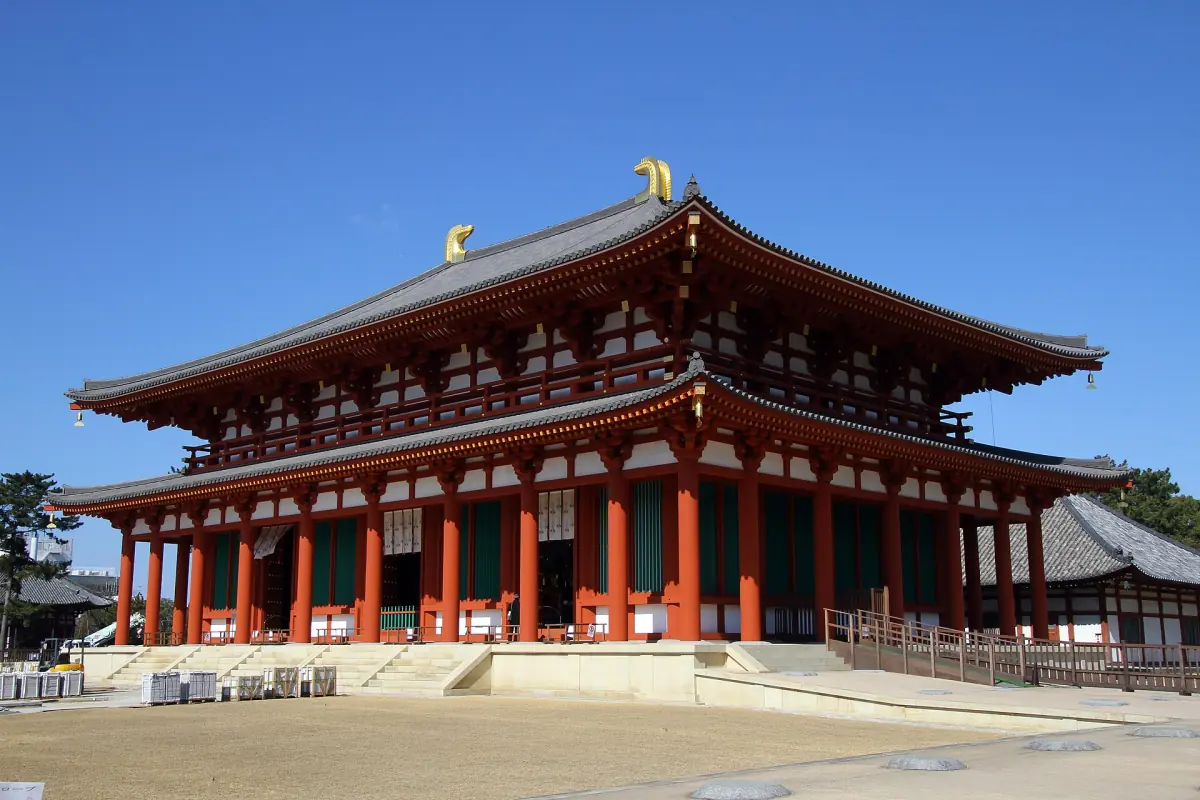
Small-group Nara Park walk
- Entrance fee (Todaiji Temple)
- Guided tour with expert insights
The meeting point is not JR Nara Station.
Check availability →Guided walks through Nara’s sights
A small-group temple walk, a route through Naramachi and a walk with Gangoji admission offer different ways to explore the city.
Kasuga Taisha and its shrine approach
Kasuga Taisha offers a shrine visit distinct from the Buddhist temples. General worship is free, while special worship, the museum and the Manyo garden have separate arrangements. Choose the part of the visit that interests you, and leave time for the approach rather than counting the shrine as a quick photograph. Rituals can affect access to the special worship area.
At a shrine, respect the torii and the central approach. At Buddhist temples, avoid copying shrine-style clapping into a prayer. Local signs and the needs of worshippers take priority over a sightseeing schedule. Our Kasuga Taisha guide separates the visiting areas and explains the seasonal arrangements.
Kofuku-ji and the temple halls
Kofuku-ji is about five minutes on foot from Kintetsu-Nara. Its halls and National Treasure Hall make it a useful choice if Buddhist art and architecture are your main interests. Decide which interiors you want to visit instead of assuming that walking through the grounds includes every building.
The pagoda is enclosed by a protective structure during restoration, so plan your photographs around the accessible halls and courtyards. Carry cash for admission. The Kofuku-ji visitor guide covers the halls and the visiting points that deserve attention before setting a route.
Naramachi and merchant houses
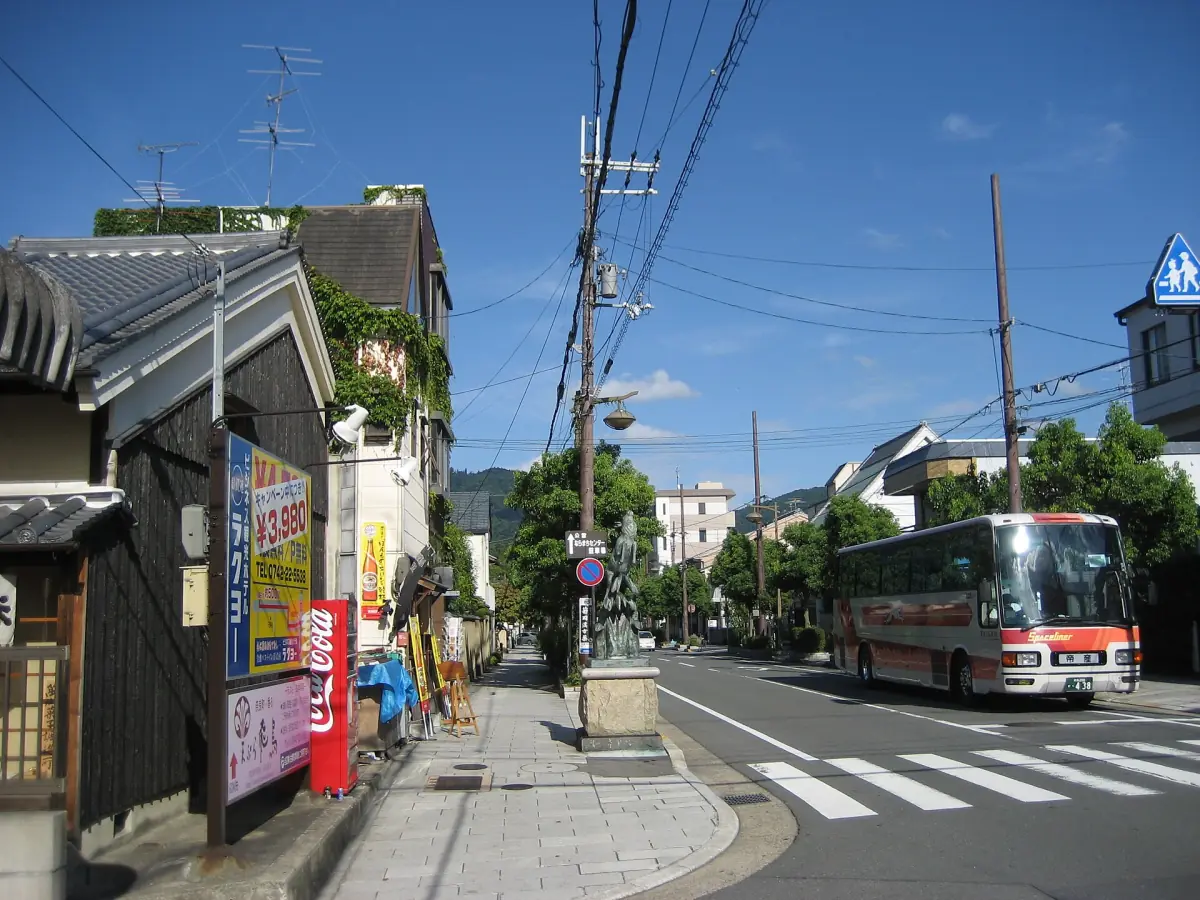
Naramachi adds a different scale to a day of temple grounds. Former residences in this merchant quarter now house museums, shops, cafés and sweet shops. Around Gangoji, look at the relationship between buildings and streets rather than expecting an unchanged capital from ancient times. A visit here can also provide a natural break between more formal religious sites.
Koshi-no-ie is a reconstruction of a traditional machiya, with a narrow frontage, deep interior, latticework and a courtyard. The private Naramachi Museum is a separate place, with old shop signs, folk objects, art and Buddhist figures. Choose a house visit or a museum stop according to your interests; the Naramachi guide keeps their visiting arrangements separate.
Isuien and Yoshikien gardens
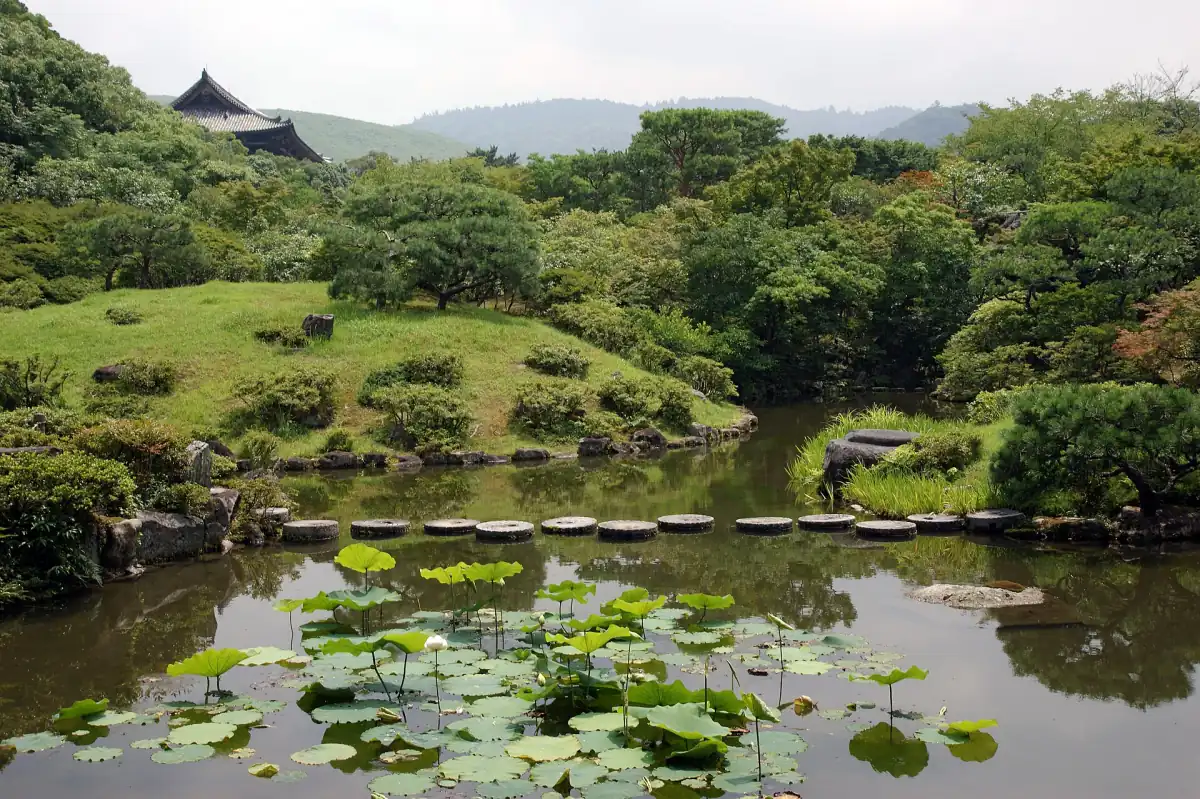
Isuien and Yoshikien bring garden design into the city itinerary. Isuien has a front garden and a later rear garden that incorporates the surrounding landscape into its views; its admission includes the museum. Yoshikien has pond, moss and tea-flower garden areas, with free admission for all visitors under the published arrangements.
Leave garden time outside your guided walk unless the chosen programme expressly includes it. At Isuien, uneven stepping stones and the operator’s lack of wheelchair access matter when choosing a route. Read the garden guide for opening patterns, maintenance breaks and the differences between the two gardens.
Nara Park and deer
Nara Park connects parkland with temple and shrine visits. The deer are wild animals and can bite, kick, ram or injure people with their antlers. Supervise children, avoid touching or chasing animals and keep paper and rubbish secure. Only shika-senbei are permitted as the feeding exception, rather than bread or leftover food.
Nara Park visitor guideTodai-ji and the wider historic city
Todai-ji is a temple stop whose Buddha Hall appears in several city walks. Match the included admission to the chosen programme and keep the detailed temple visit separate from this city overview.
Todai-ji visitor guideFor the former capital beyond the central walking routes, consider the Heijo Palace site. Its reconstructed buildings and palace remains give another perspective on Nara’s past. Our history guide explains that setting; choose it as a deliberate additional outing rather than squeezing it into every temple walk.
Frequently asked questions
Which sights suit a first visit?
Choose a temple or shrine route, then add Naramachi or a garden according to your interests. This creates a clearer day than trying to enter every building.
Do all walking tours include temple entry?
Admission varies: the small-group temple walk includes Todai-ji, the broader park and Naramachi route charges it separately, and the merchant-quarter walk includes Gangoji.
Can children touch the deer?
Keep children supervised and avoid touching the animals. Observe them without chasing or crowding them, and keep food other than shika-senbei out of reach.